Branding a Café Shaped by Local Voices
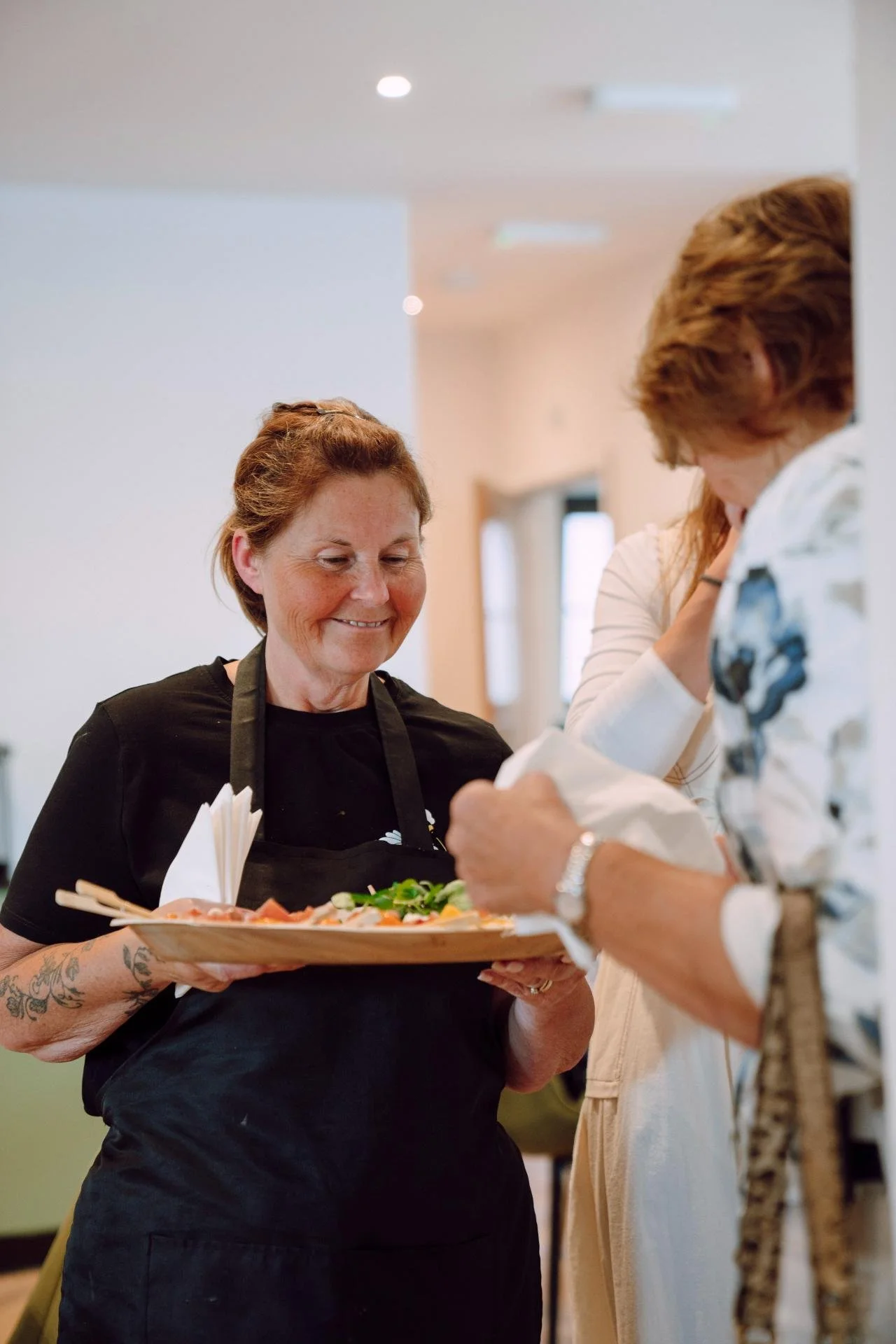
The Burrow set out to become far more than a village café. It needed to be a welcoming, community-shaped space offering healthy, affordable food, practical support, and a sense of belonging. The entire project was closely co-designed with local residents, so the brand had to feel rooted in that same spirit of collaboration and warmth. The brief was simple: build an identity that felt local, human, and unmistakably theirs all with a mark that grew naturally from the story behind the name.
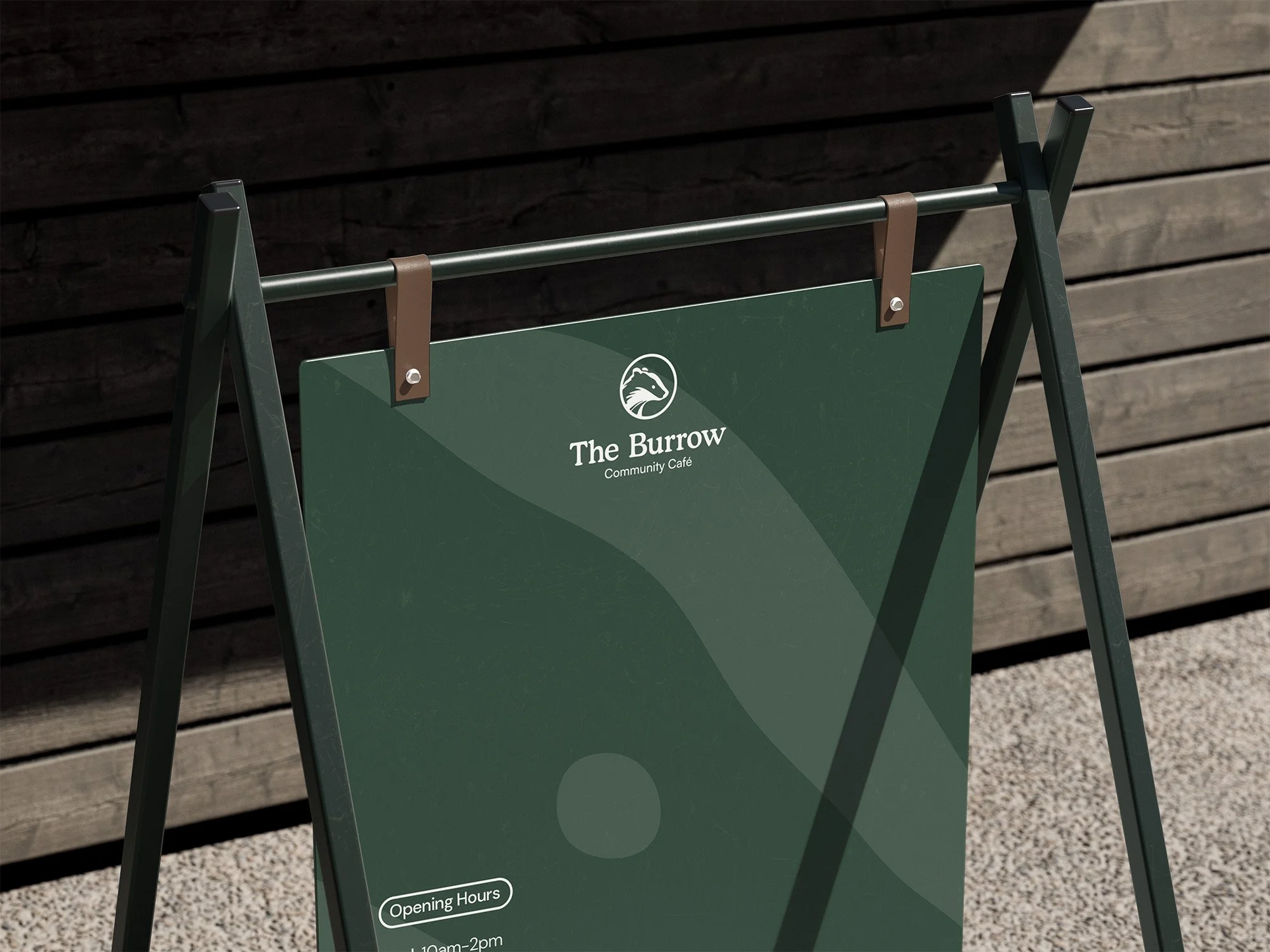
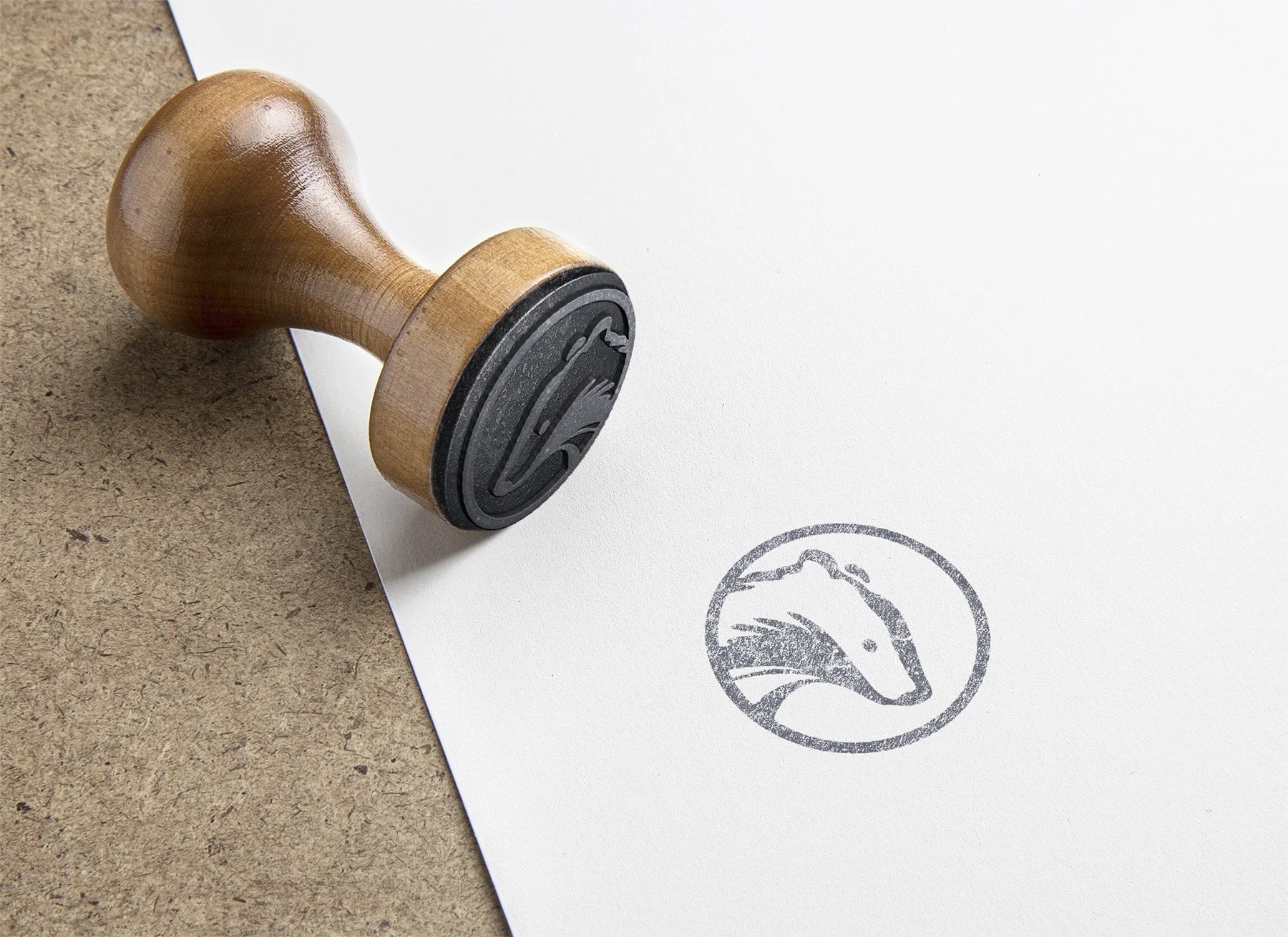
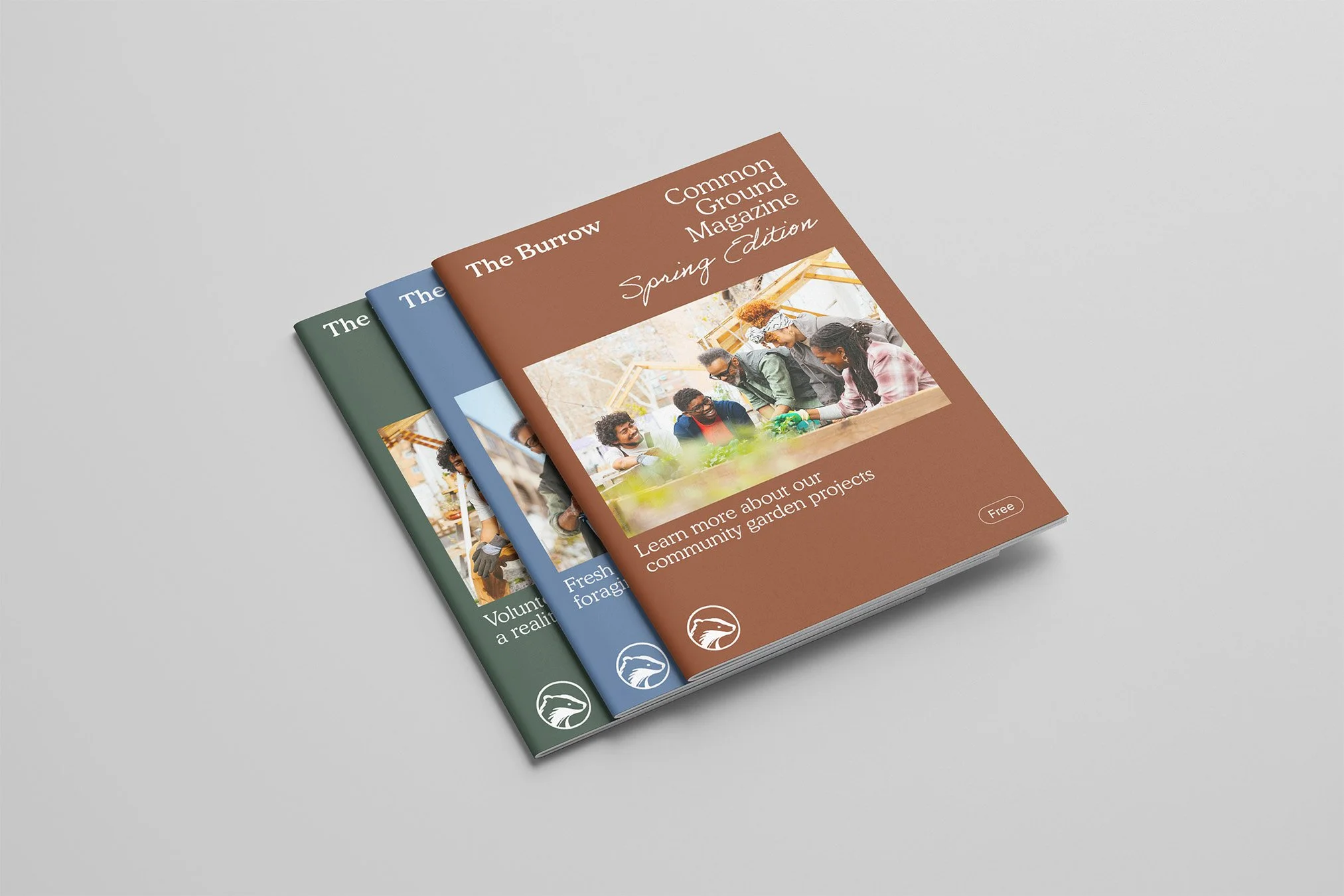
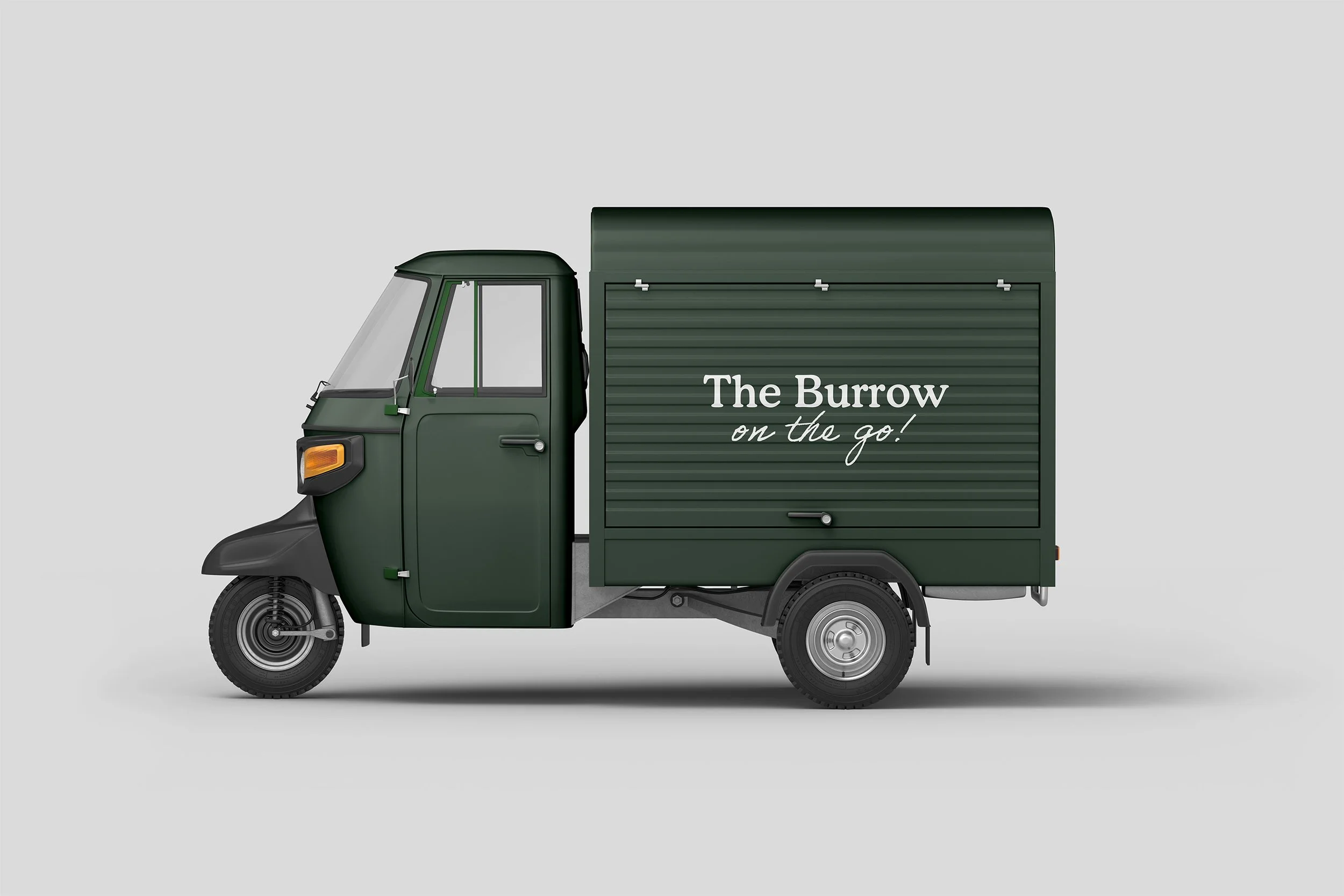
The brand centres on a distinctive badger mark that reflects the name chosen by the community and gives the café an instantly recognisable icon for signage, merchandise, and digital use. We created a flexible set of lockups so the identity can shift from a simple stamp or badge using the mark alone to a full logo with wordmark and optional “Community Café” tagline, ensuring it works cleanly across everything from small applications to large-scale signage.
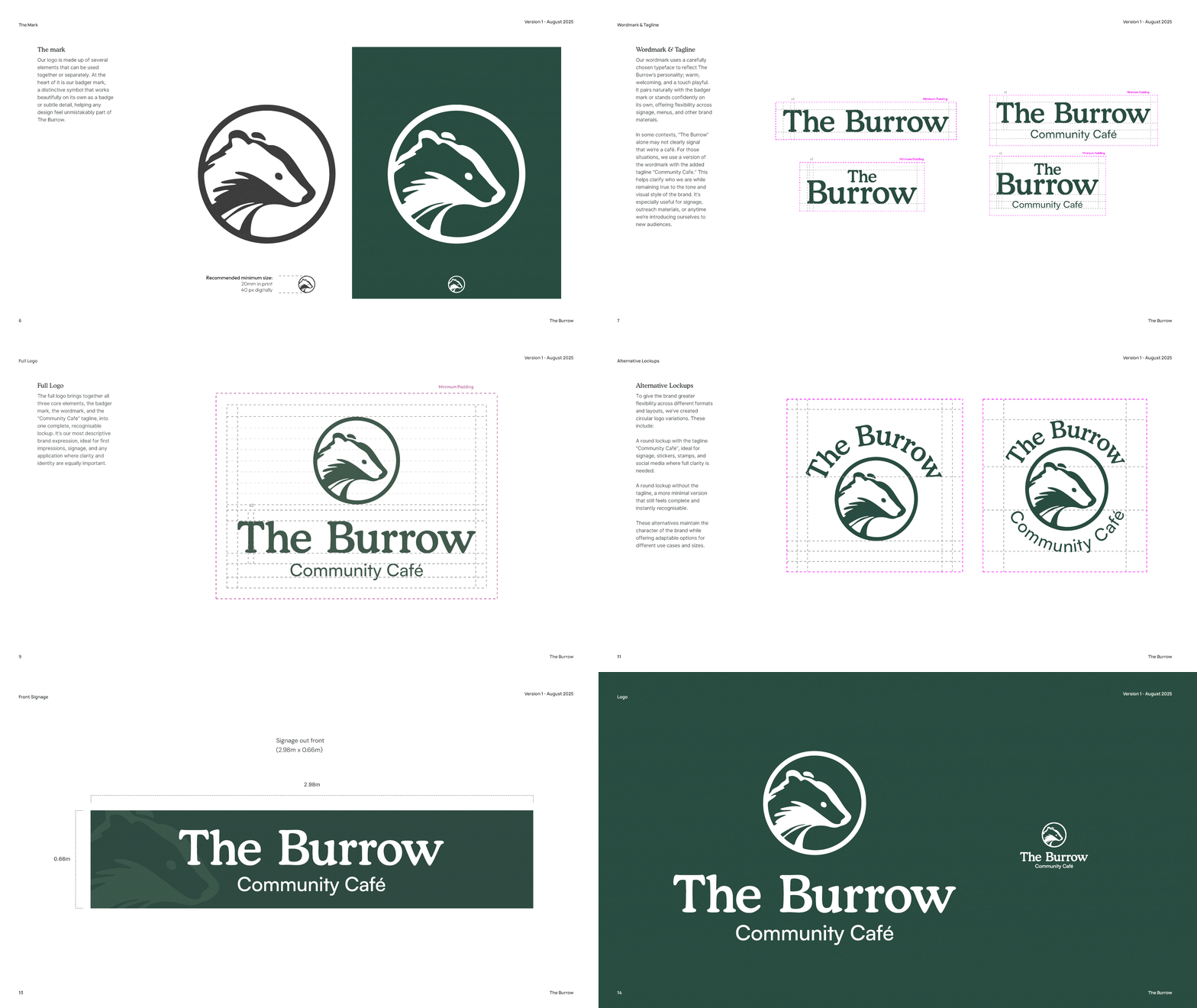
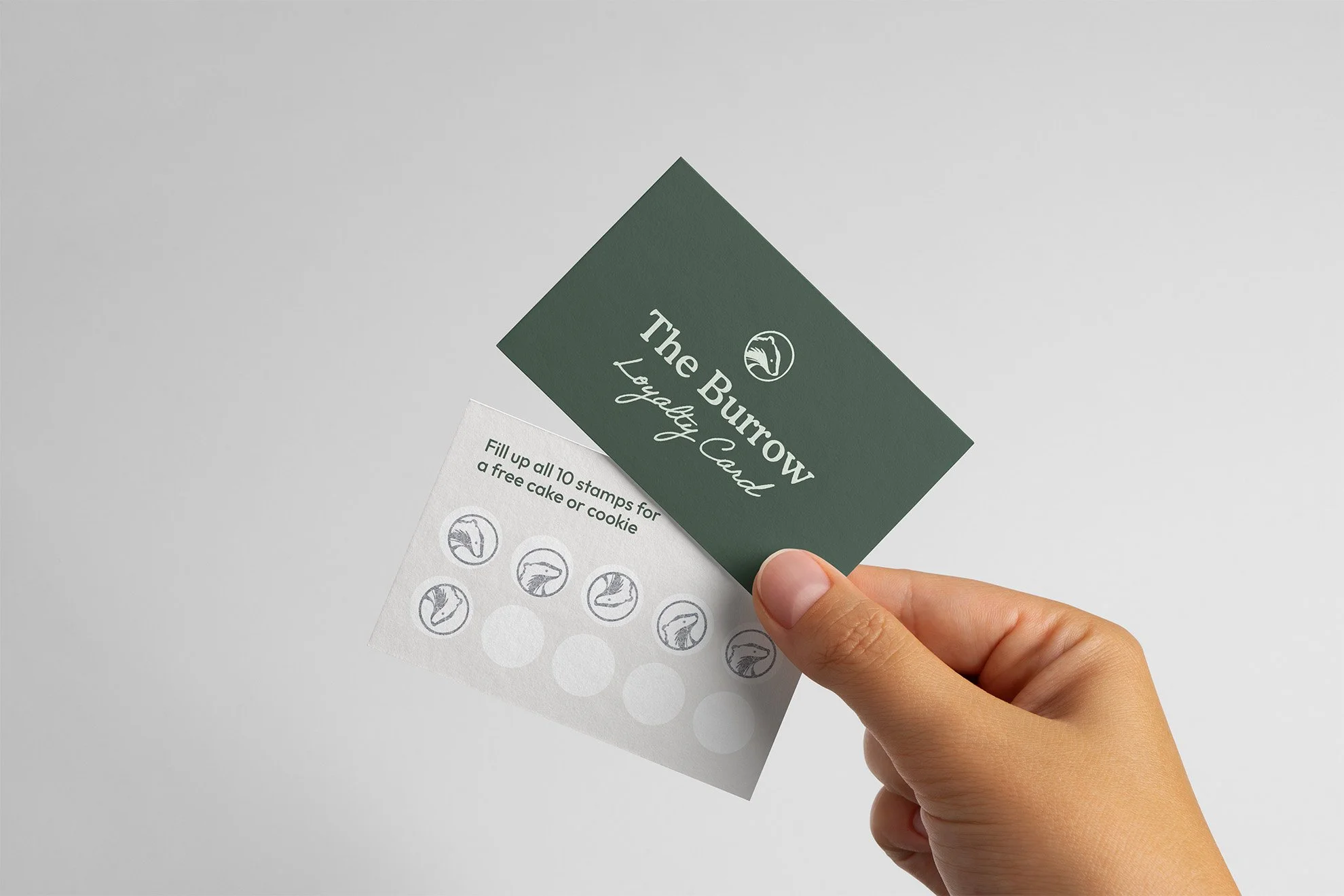
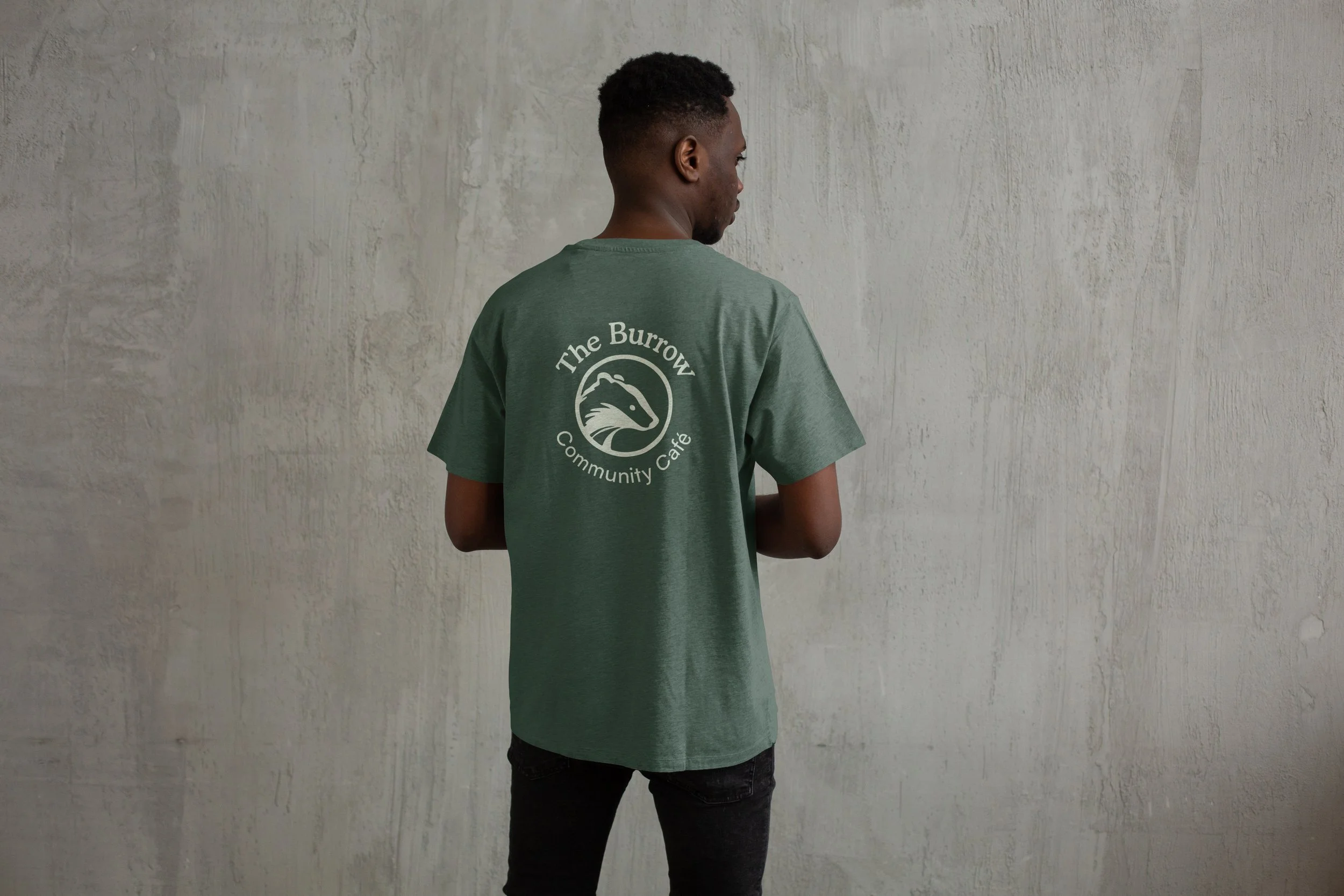
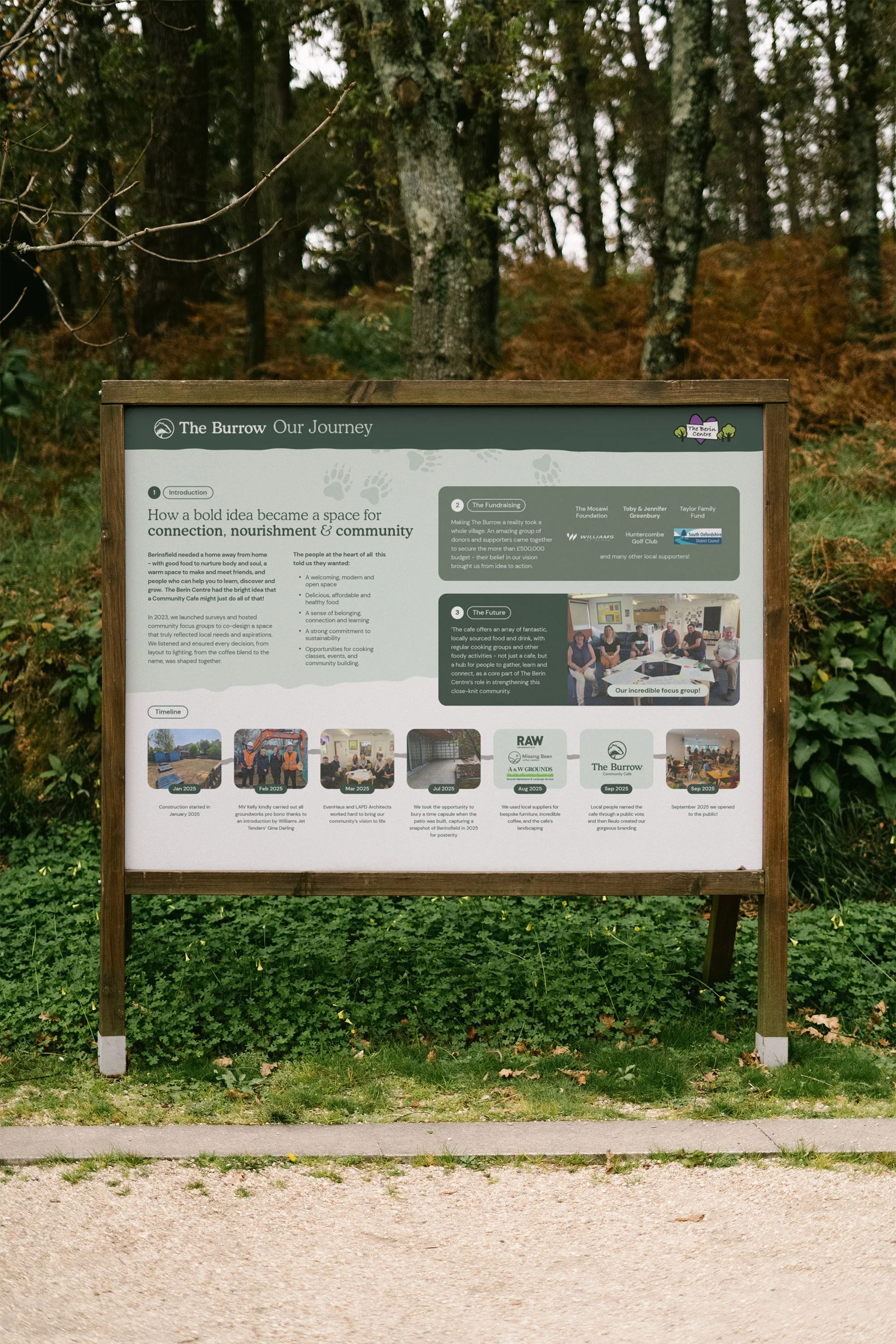
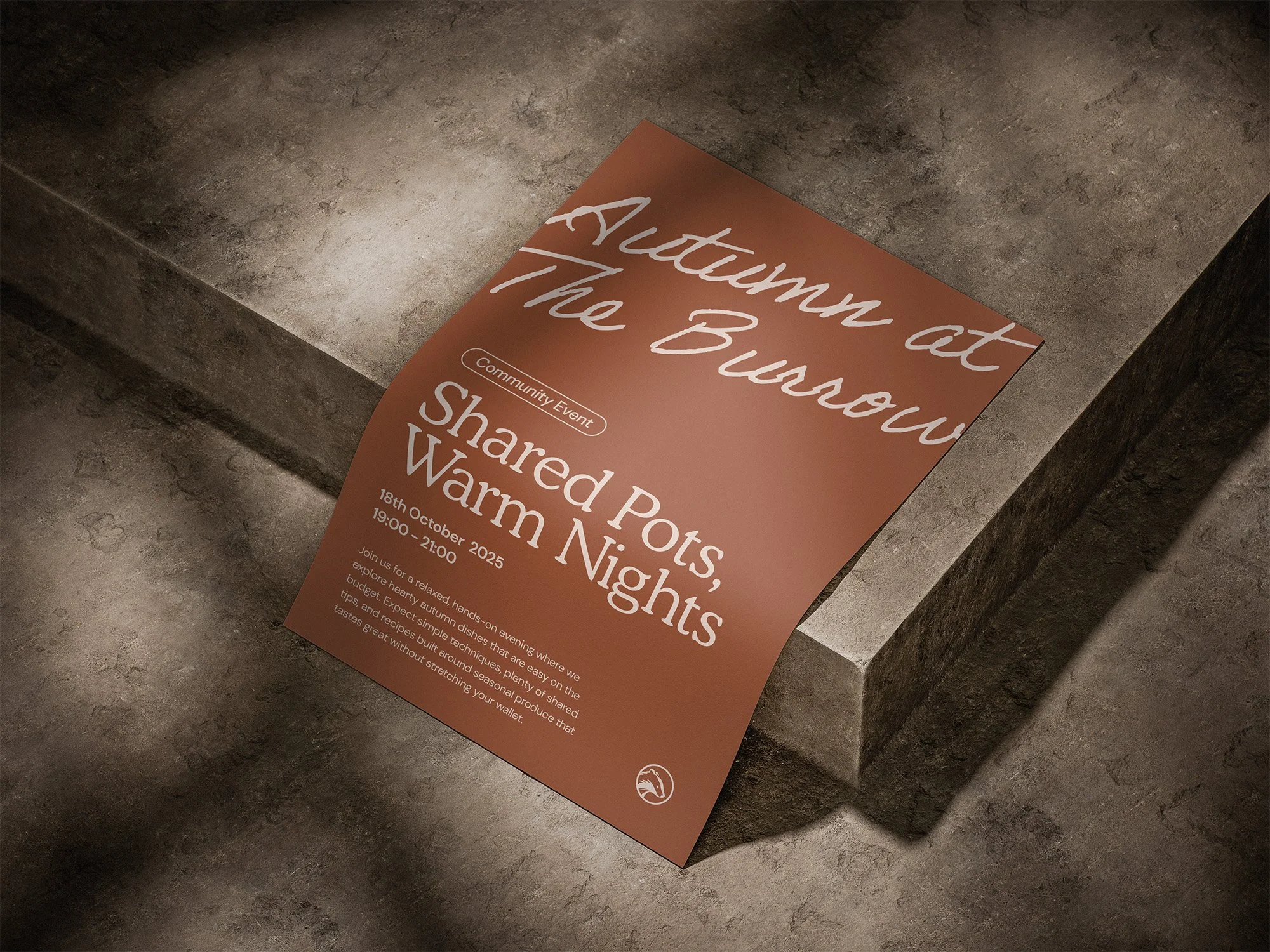
To complement the natural, calming feel of the interior, the palette builds from deep greens and soft neutrals, creating a grounded base for the brand. A set of seasonal colours sits alongside this core, giving the café room to shift tone across campaigns, events, and menu moments so the identity stays fresh throughout the year. Typography follows the same spirit, pairing character with clarity to support everything from warm, expressive messages to straightforward day-to-day communication.
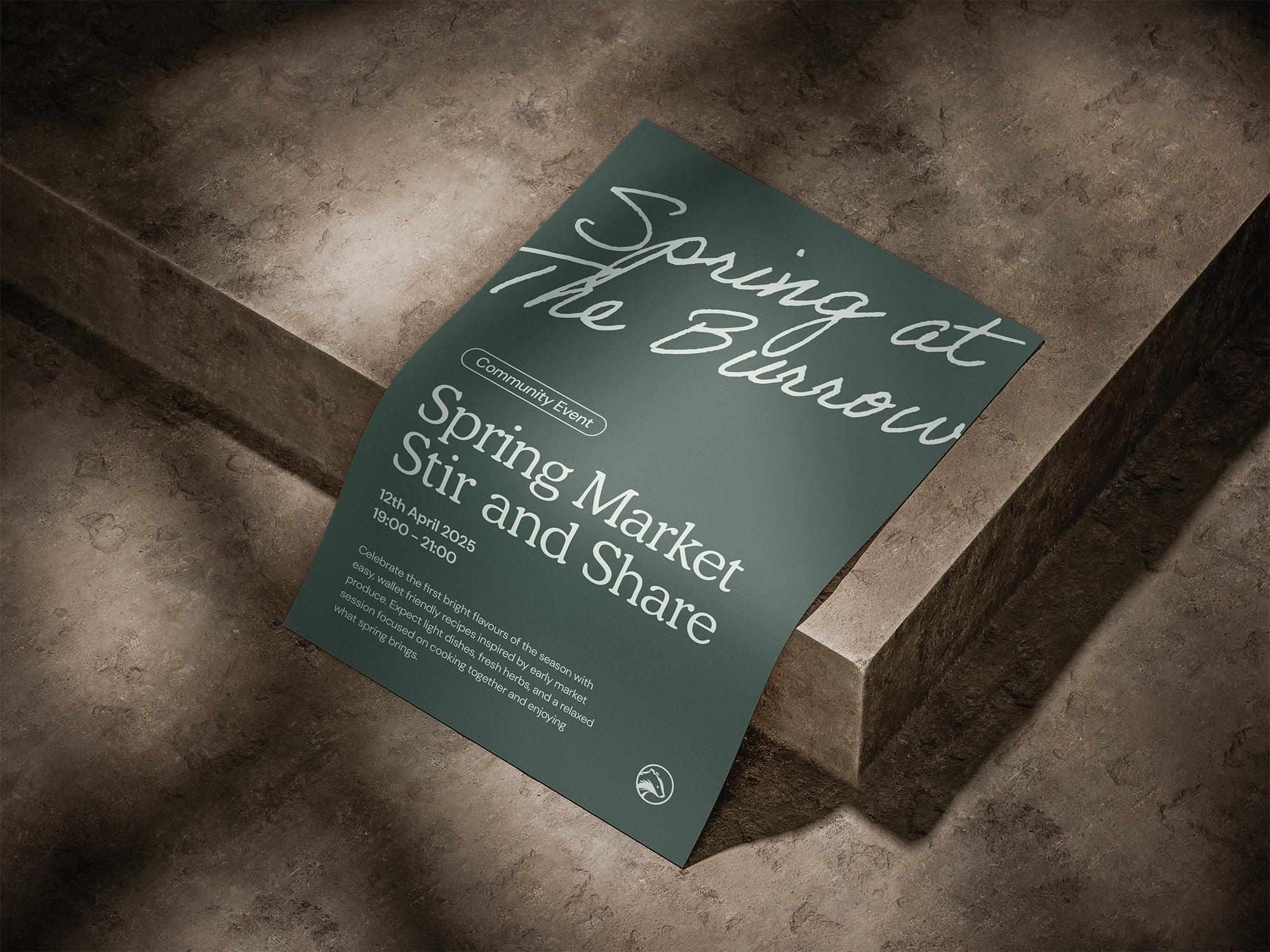
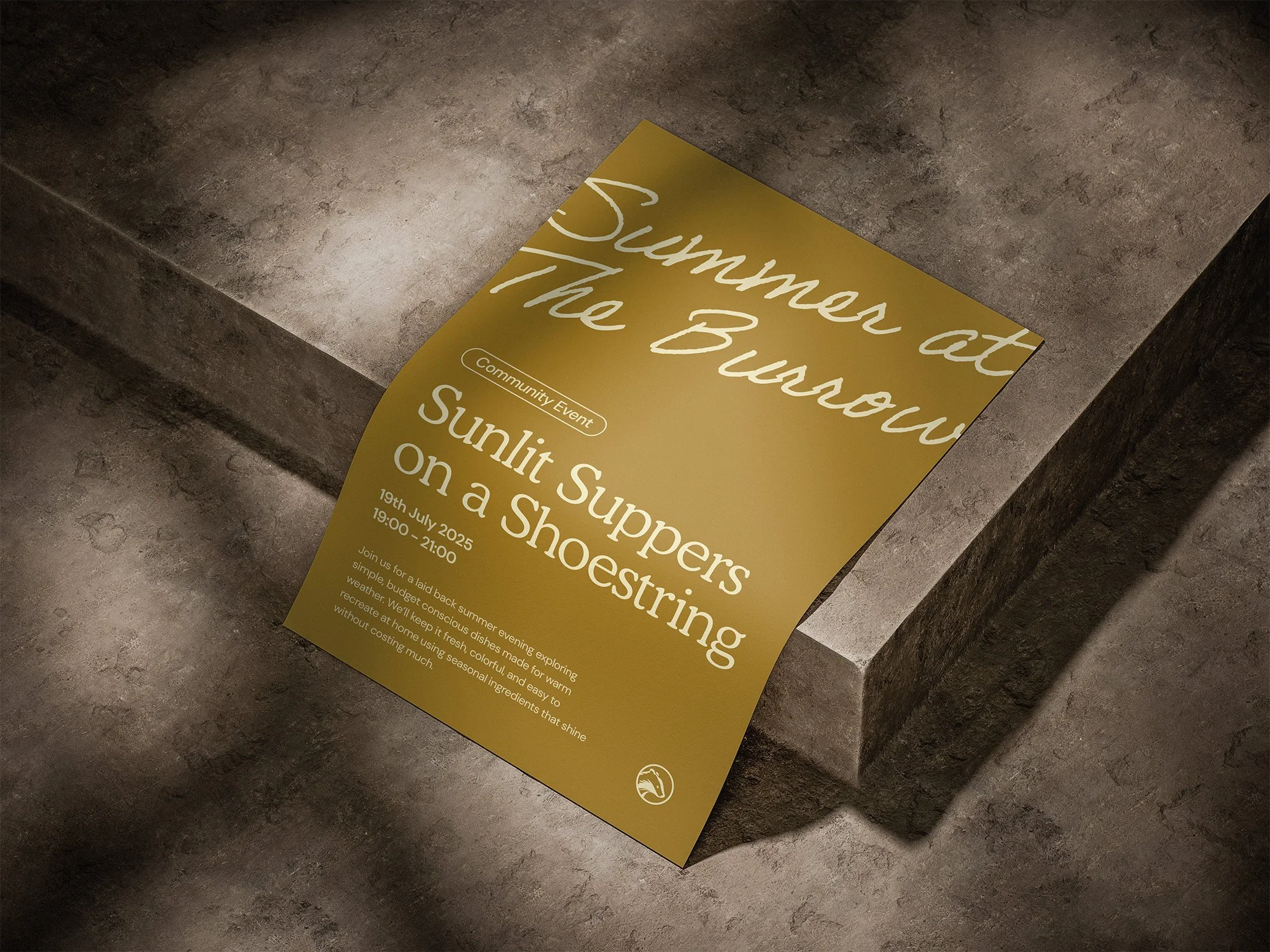
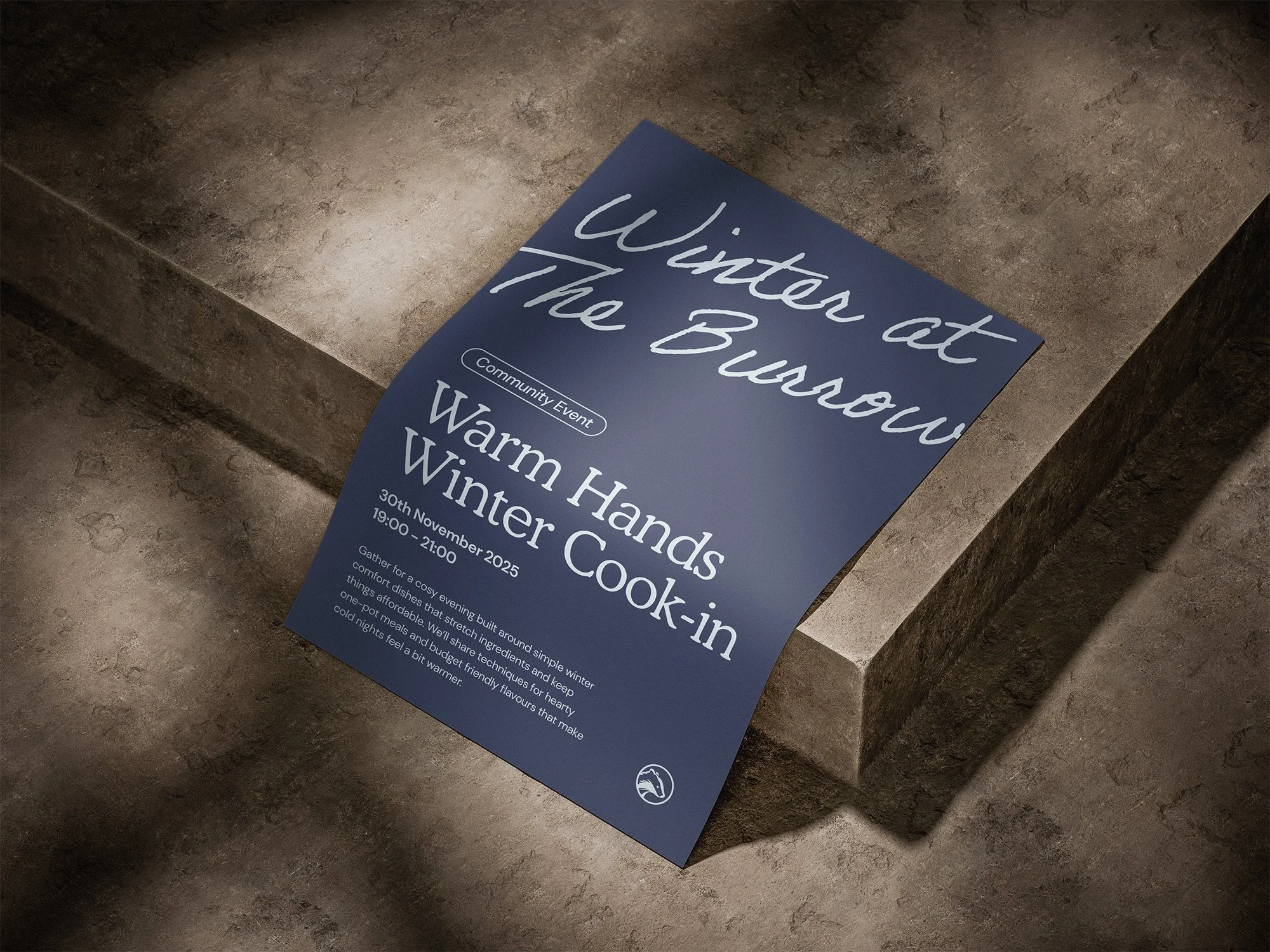
The cafe opending back in September 2025 and is quickly becoming a real place for the community and their needs. For more information about the cafe, the work they or and to get involved, head to: www.theberincentre.co.uk/community-cafe
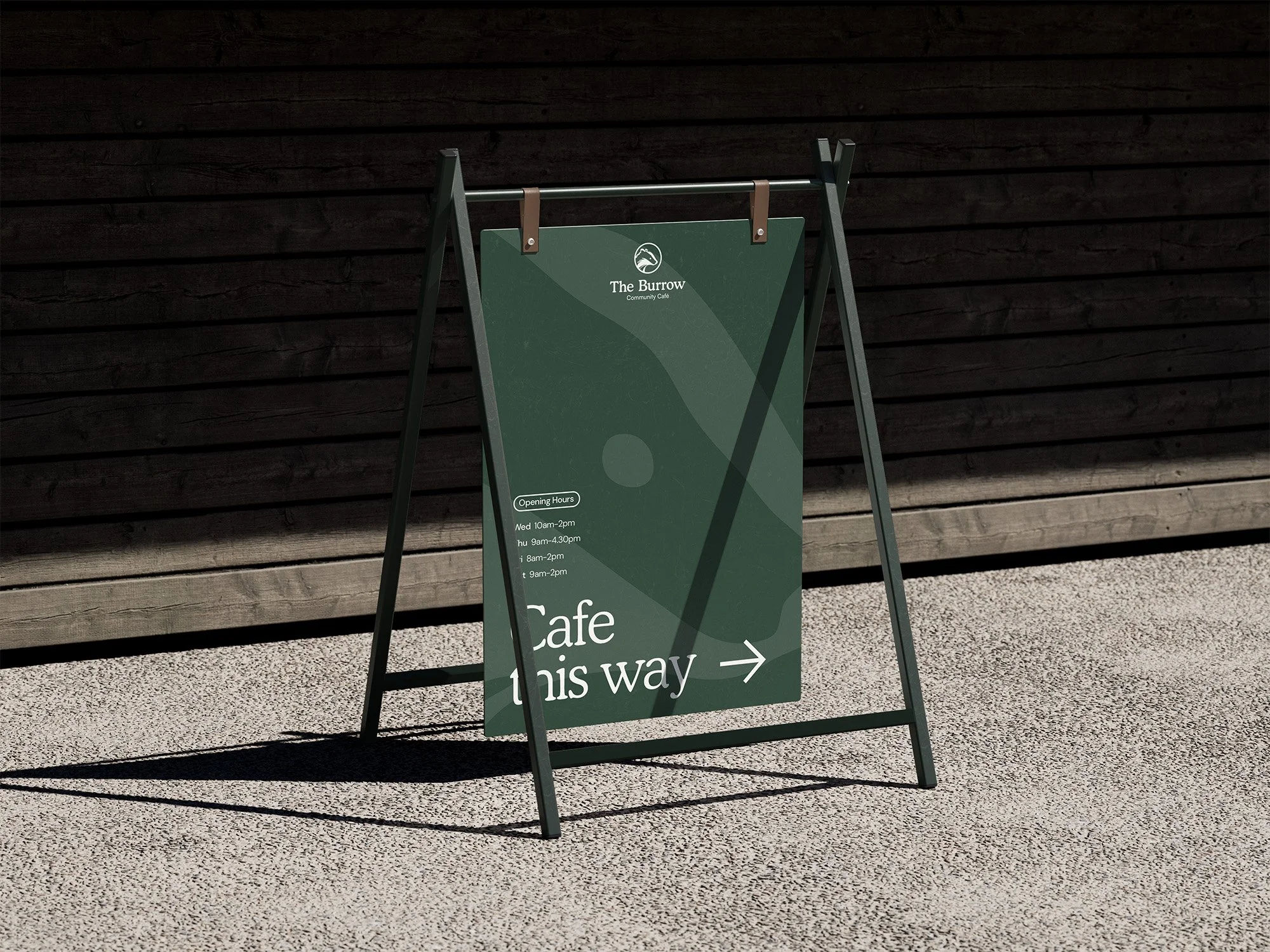
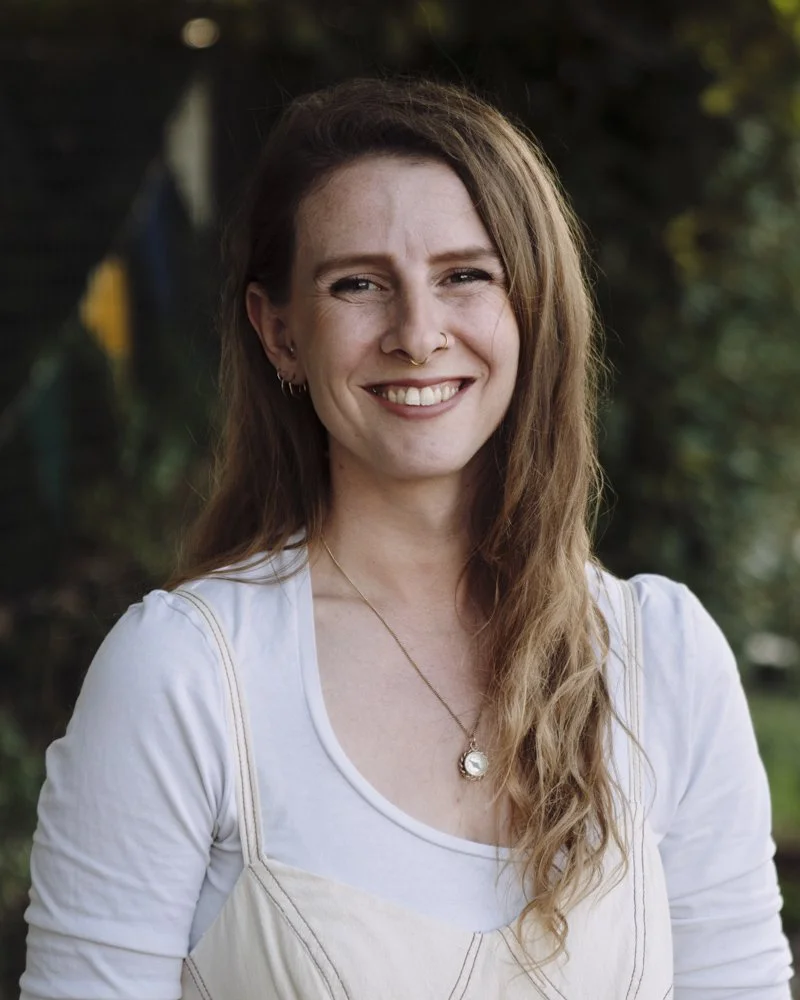
“Reulo really took on board that we needed the branding to reflect the feedback we'd gathered from the community, striking a balance between being warm and homely, whilst being modern and clean. They thought carefully about our story, and our target audiences, and created a brand that the community love and that has quickly become a recognisable part of the local landscape.”
— Laura Mai-Harte